What is the Landing Page?
A landing page is a web page that is designed to capture the attention of visitors and persuade them to take a specific action, such as signing up for a newsletter, downloading a free ebook, or buying a product. Landing pages are usually focused on a single goal and have minimal distractions, such as navigation menus or links to other pages. Landing pages are often used in online marketing campaigns to increase conversions and generate leads.
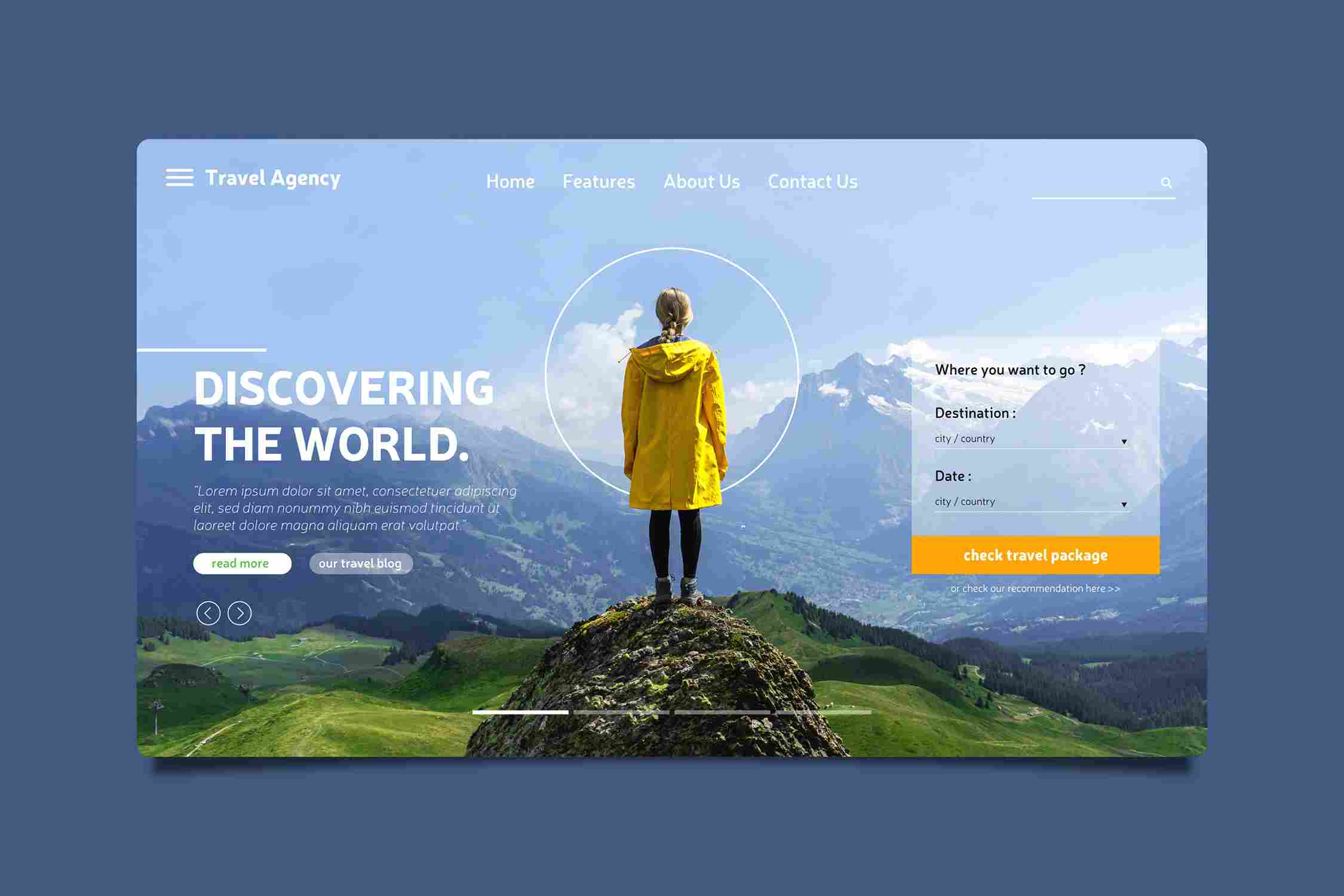
A landing page is a web page that is designed to capture the attention of visitors and persuade them to take a specific action. A landing page can be used for various purposes, such as generating leads, promoting a product or service, launching a campaign, or collecting feedback.
A landing page is different from a homepage or a regular web page because it has a clear and focused goal. A landing page should have a compelling headline, a clear value proposition, a strong call to action, and minimal distractions. A landing page should also be optimized for conversions, meaning that it should be easy to use, fast to load, and relevant to the audience.
A landing page can have a significant impact on the success of your online marketing efforts. A landing page can help you:
- Increase your conversion rate: A landing page can increase the chances of turning visitors into customers by providing them with a clear and enticing offer that matches their needs and expectations.
- Reduce your bounce rate: A landing page can reduce the number of visitors who leave your website without taking any action by capturing their interest and engaging them with your content.
- Improve your SEO ranking: A landing page can improve your search engine visibility by targeting specific keywords and phrases that are relevant to your niche and audience.
- Build your brand awareness: A landing page can help you establish your brand identity and credibility by showcasing your unique value proposition, benefits, testimonials, and social proof.
- Grow your email list: A landing page can help you collect email addresses from your visitors by offering them something valuable in exchange, such as a free ebook, a webinar, a coupon, or a trial.
A landing page is an essential tool for any online marketer who wants to achieve better results from their campaigns. A landing page can help you attract more visitors, convert more leads, and grow your business.
Share This Post
Related Articles

Explain what are the key responsibilities of a Web Developer?
A web developer is a professional who designs, builds, and maintains websites and web applications.
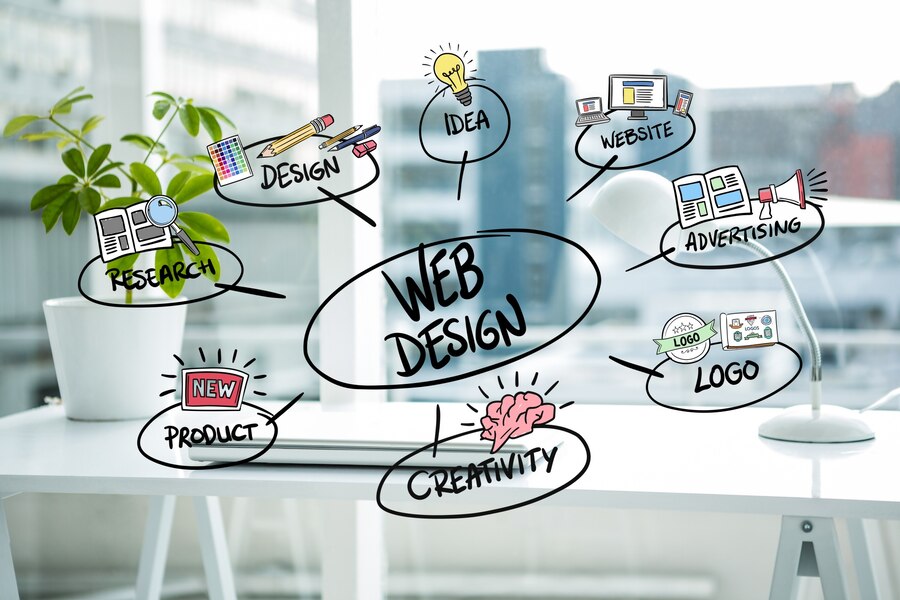
Website Design Near Me @ Rs. 4900 – Website Designer Companies Near Me Get Low Cost Website Design in India @ Just ₹4900 with Free Domain, Hosting, and business Email IDs from India's No 1 Website Designing Company
Looking for top-notch Website Design Near Me services at an affordable rate? Look no further. At just ₹4900, you can get a website that not only looks great but is also equipped with essential features to boost your online presence.
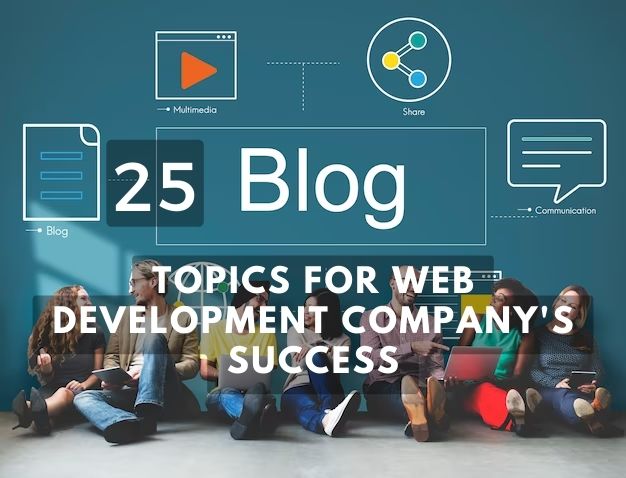
25 Blog Topics for Web Development Company's Success
Looking to elevate your web development company's blog game? Dive into these 25 enchanting blog topics for web development that will cast a spell on your audience and keep them coming back for more!
What Is WordPress? A Beginner's Guide
WordPress is a powerful and versatile software platform that allows you to create and manage websites, blogs, online stores, and more. WordPress is open source, which means it is free to use and customize, and it has a large community of developers and users who contribute to its improvement and support. WordPress is also easy to use, with a user-friendly interface that lets you create and edit content, install themes and plugins, and manage your site settings. WordPress is the most popular website creation tool in the world, powering over 40% of the web.
Unlocking Creativity: A Treasure Trove of Free Icon Packs for Web Development
Discover the best free icon packs for web development like Iconfinder, Bootstrap icon, Flaticon, Line Awesome, TheNounProject, Material Design Icons, IconFinder, and Feather Icons. Elevate your designs and user experience today!
Related FAQ
No related FAQ.
Say Hello
To Your Dream
- About
- Privacy Policy
- Terms of Service
- Terms and Conditions
- Cancellation and refund
- Shipping and delivery
- Contact Us
- Blog
- Products
- For Startups Support
- Pages
- FAQ
- Thanks and Credits