Visual Studio Code: A Powerful and Versatile Code Editor
Visual Studio Code is a powerful and versatile code editor that supports multiple languages, extensions, and debugging tools. It is designed to help developers create, test, and deploy high-quality applications with ease and efficiency. Whether you are working on web, mobile, desktop, or cloud projects, Visual Studio Code can help you streamline your workflow and enhance your productivity.
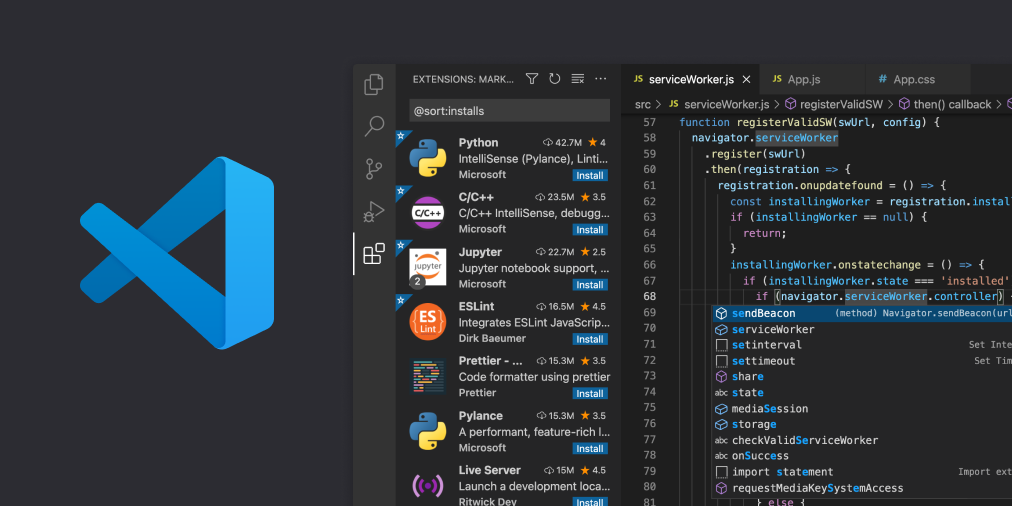
If you are looking for a code editor that can handle multiple languages, platforms, and frameworks, you might want to check out Visual Studio Code. Visual Studio Code is a free, open-source, and cross-platform code editor that offers a rich set of features and extensions to boost your productivity and enhance your coding experience.
Some of the features that make Visual Studio Code stand out are:
- IntelliSense: This feature provides smart code completion, syntax highlighting, and error detection based on the language and context of your code. You can also use IntelliSense to browse and learn about the APIs and libraries you are using.
- Debugging: Visual Studio Code has a built-in debugger that lets you run, test, and debug your code directly from the editor. You can also use the integrated terminal and console to interact with your program and inspect its output.
- Git Integration: Visual Studio Code has native support for Git, the most popular version control system. You can easily perform Git operations such as commit, push, pull, merge, and branch from the editor or the command palette.
- Extensions: Visual Studio Code has a vibrant marketplace of extensions that can add new functionality and features to the editor. You can find extensions for almost any language, framework, or tool you need, such as Python, C#, React, Docker, Azure, and more.
- Customization: Visual Studio Code is highly customizable and lets you tailor the editor to your preferences and needs. You can change the theme, font, keyboard shortcuts, editor layout, and more. You can also create your own snippets, settings, and commands to automate common tasks.
These are just some of the reasons why Visual Studio Code is a powerful and versatile code editor that can suit any developer's needs. If you want to learn more about Visual Studio Code or download it for free, visit https://code.visualstudio.com/.
Share This Post
Related Articles

What is Shopify? Beginners Guide for Zero to Hero
Shopify is a powerful e-commerce platform that allows anyone to create and run an online store. Whether you want to sell physical products, digital goods, or services, Shopify has everything you need to start, manage, and grow your business. In this guide, you will learn the basics of Shopify, how to set up your store, and how to optimize it for success.
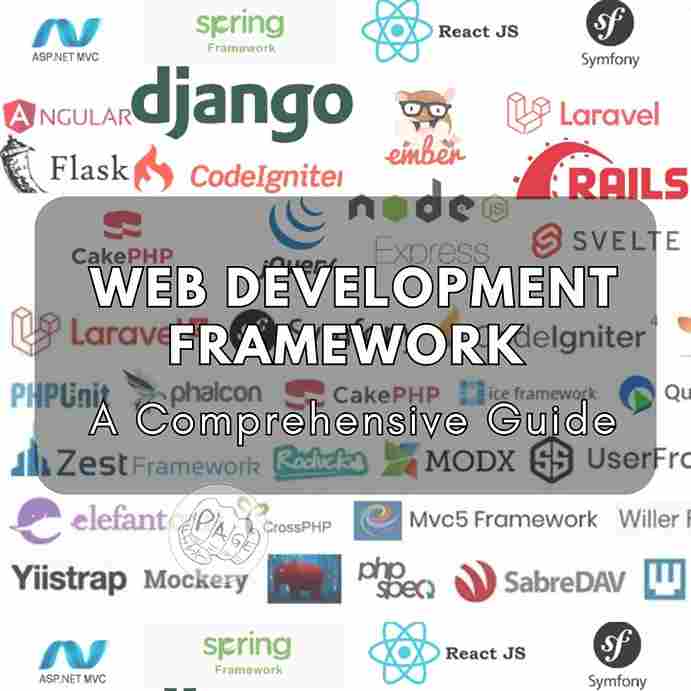
Choosing the Perfect Web Development Framework: A Comprehensive Guide
Discover the ideal web development framework for your project! Dive into a comprehensive guide on popular options like Django, Next.js, Yii, ASP.NET MVC, and more. Make the right choice today!

WordPress Plugins: A Guide for Beginners
WordPress plugins are software components that extend the functionality and features of the WordPress platform. They can help you create and manage various types of websites, such as blogs, e-commerce, portfolios, forums, and more. WordPress plugins are easy to install and customize, and there are thousands of free and premium options available for different purposes and niches. Some of the most popular WordPress plugins are WooCommerce, Yoast SEO, Elementor, Jetpack, and Contact Form 7.

How to Achieve Cost-Effective Web Development for Small Businesses
Discover strategies and tips for small businesses to create an impactful online presence without breaking the bank. Learn how to make the most of your budget while ensuring an effective and user-friendly website.

Website Design Near Me @ Rs. 4900 – Website Designer Companies Near Me Get Low Cost Website Design in India @ Just ₹4900 with Free Domain, Hosting, and business Email IDs from India's No 1 Website Designing Company
Looking for top-notch Website Design Near Me services at an affordable rate? Look no further. At just ₹4900, you can get a website that not only looks great but is also equipped with essential features to boost your online presence.
Related FAQ
No related FAQ.
Say Hello
To Your Dream
- About
- Privacy Policy
- Terms of Service
- Terms and Conditions
- Cancellation and refund
- Shipping and delivery
- Contact Us
- Blog
- Products
- For Startups Support
- Pages
- FAQ
- Thanks and Credits