Top 5 Programming languages for Web development in 2024
Discover the top programming languages for web development in 2024 and make an informed choice to boost your web development journey. Explore JavaScript, Python, TypeScript, PHP, Ruby, and the fundamentals of HTML and CSS.
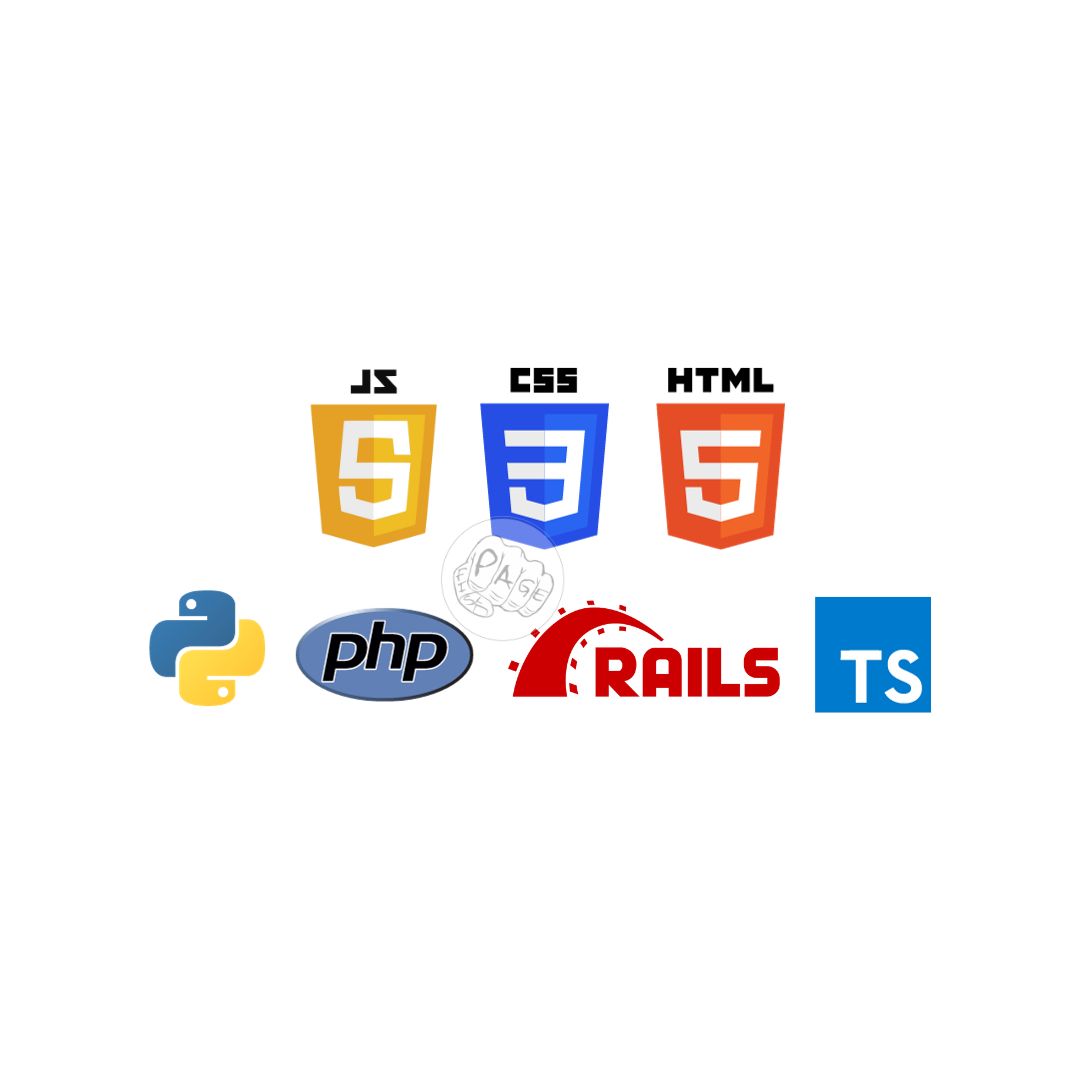
In the fast-evolving world of web development, it's crucial to stay ahead of the curve and choose the right programming language for your projects. If you're planning to become a web developer in 2024, you've come to the right place. We'll explore the top five programming languages that are set to dominate the web development landscape this year. Each of these languages has its unique strengths and applications, allowing you to tailor your choice to your specific needs.
1. JavaScript: The Undisputed King of Web Development
JavaScript's Versatility
JavaScript reigns supreme as the most popular language among web developers. It's the only language that allows you to create web applications for both frontend and backend, making it a versatile choice. With frameworks like React.js and Angular for frontend, Node.js for backend, and React Native for cross-platform mobile app development, JavaScript offers a comprehensive ecosystem.
Recommended Resource:
If you're just starting your web development journey, consider taking "The Complete JavaScript Course: Build a Real-World Project" on Udemy for a solid foundation.
2. Python: The Versatile Powerhouse
Python's Popularity
Python has seen a surge in popularity and is now one of the most versatile programming languages available. It's not limited to web development but can also be used for data science, scripting, and automation. With robust frameworks like Django for full-stack web applications, Python provides a smooth learning curve for beginners.
Recommended Resource:
To kickstart your Python journey in 2024, consider enrolling in the "Complete Python Bootcamp: Go from Zero to Hero in Python" course by Jose Portilla on Udemy.
3. TypeScript: The Modern JavaScript++
TypeScript's Type-Safety
TypeScript is a modern programming language that enhances JavaScript by adding type safety. This feature allows you to catch type-related errors during development, making it a valuable choice for web development. With TypeScript, you can develop object-oriented code and benefit from built-in debugging tools.
Recommended Resource:
To learn TypeScript effectively, check out "Understanding TypeScript" by Maximilian Schwarzmuller and AcadMind on Udemy.
4. PHP: The Web Development Workhorse
PHP's Reliability
Despite its critics, PHP remains a reliable language for web application development. It's a dynamic server-side scripting language known for its ease of use. Many popular websites, including WordPress, are powered by PHP. Frameworks like Laravel offer powerful tools for creating web applications.
Recommended Resource:
Dive into PHP and Laravel with the "PHP with Laravel for Beginners — Become a Master in Laravel" course on Udemy.
5. Ruby: The Ruby on Rails Marvel
Ruby on Rails' Simplicity
Ruby is another excellent choice for web development, thanks to the Ruby on Rails framework. This framework drives websites like GitHub, Shopify, and Airbnb. Ruby on Rails simplifies web development by providing default structures for databases, web services, and web pages.
Recommended Resource:
If you want to learn Ruby and Ruby on Rails in 2024, "The Complete Ruby on Rails Developer" course by Rob Percival on Udemy is a top-notch option.
6. HTML and CSS: The Web Development Foundation
The Fundamentals
While not traditional programming languages, HTML and CSS are essential for web development. HTML provides the structure, while CSS handles the style, making web content visually appealing. To become a proficient front-end developer, mastering HTML and CSS is a must.
Recommended Resource:
Start your journey with the "Build Responsive Real World Websites with HTML5 and CSS3" course by Jonas Schmedtmann on Udemy.
In summary, the choice of the best programming language for web development in 2024 depends on your specific goals and preferences. JavaScript is a universal favorite, Python is a versatile powerhouse, TypeScript offers modern capabilities, PHP is a reliable workhorse, Ruby excels with Ruby on Rails, and HTML and CSS form the foundation of web development. Select the language that aligns with your project requirements and embark on your web development journey with confidence. Stay ahead of the curve, and create cutting-edge web applications with the power of the right programming language.
Remember, the best language for you is the one that best suits your needs and interests. Happy coding! 🚀
Share This Post
Related Articles

Website Designing and Development Company in Korba
Are you looking for a website designing and development company in Korba? If yes, then you have come to the right place. We are a team of experienced and creative web designers and developers who can help you create a stunning and functional website for your business. Whether you need a simple landing page, an e-commerce store, a blog, or a custom web application, we can handle it all. We use the latest technologies and best practices to ensure that your website is fast, secure, and user-friendly. Contact us today to get a free quote and consultation for your website project.
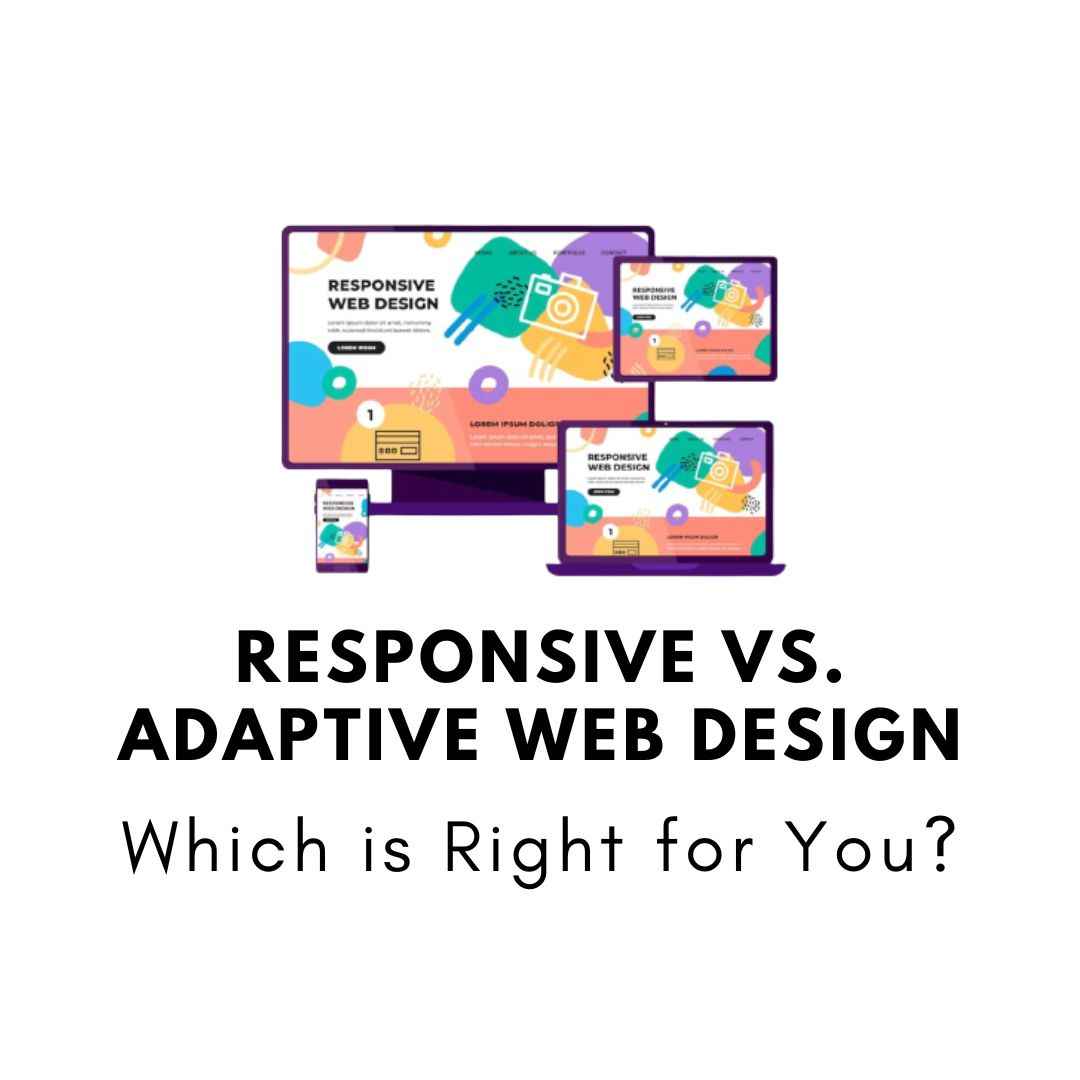
Responsive vs. Adaptive Web Design: Which is Right for You?
Explore the battle between responsive and adaptive web design. Discover the pros, cons, and use cases for each approach to make an informed decision for your website.

Explain what are the key responsibilities of a Web Developer?
A web developer is a professional who designs, builds, and maintains websites and web applications.

Website Designing and Development Company in Raipur
Welcome to our website! We are a professional website designing and development company in Raipur. We offer a range of services to help you create an online presence that suits your needs and goals. Whether you need a simple landing page, a complex e-commerce site, or anything in between, we have the skills and experience to deliver. Contact us today for a free consultation and quote!
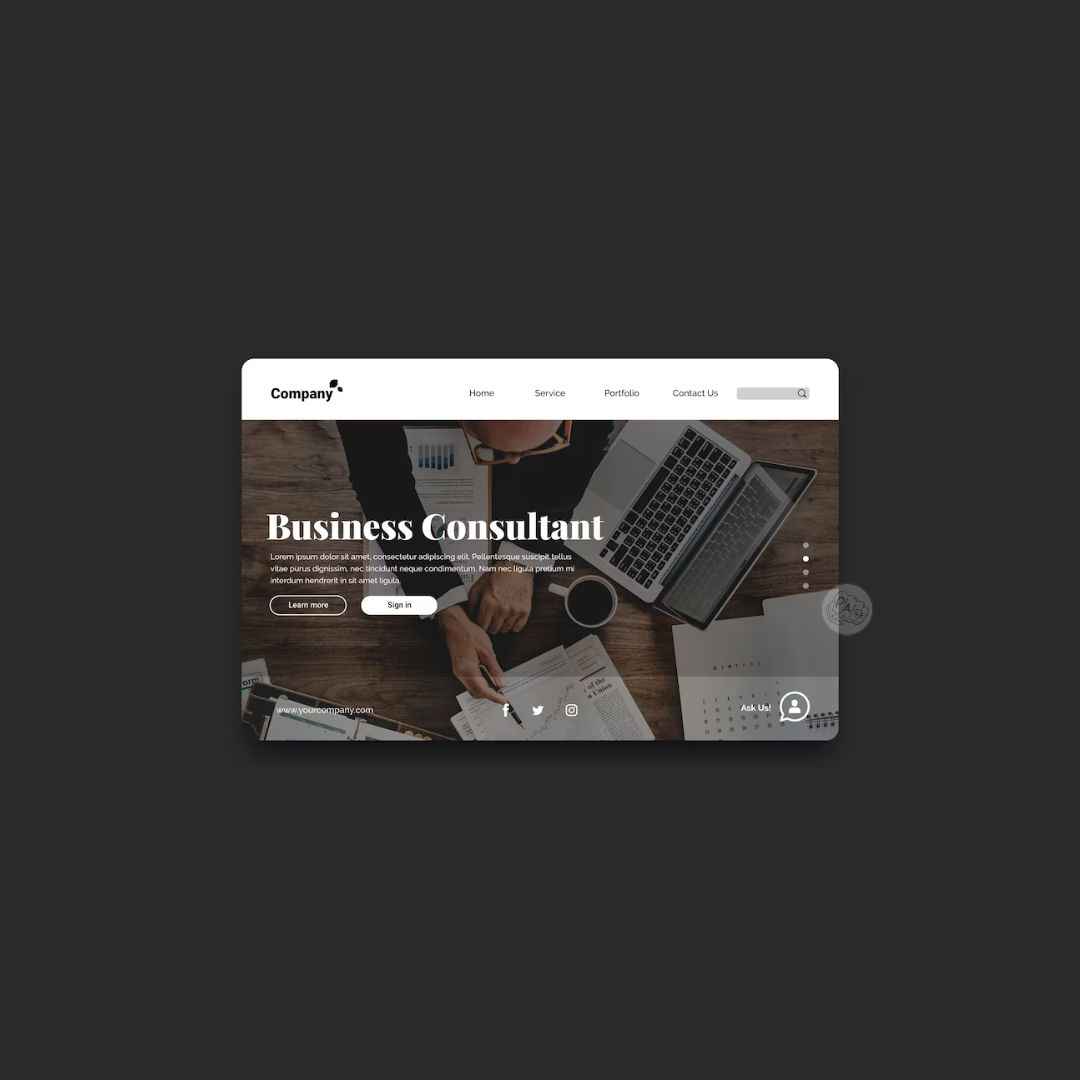
10 Key Elements Every Business Website Should Have for Success!
Discover the 10 essential elements that can transform your business website into a powerhouse of success. From killer content to user-friendly navigation, we've got you covered!
Related FAQ
No related FAQ.
Say Hello
To Your Dream
- About
- Privacy Policy
- Terms of Service
- Terms and Conditions
- Cancellation and refund
- Shipping and delivery
- Contact Us
- Blog
- Products
- For Startups Support
- Pages
- FAQ
- Thanks and Credits